






Mesic, Xeric & Hydric Air Plants: Understanding Your Tillandsia's Native Climate
Understand Your Air Plant's Native Climate
One of the best ways to keep your air plants healthy is to understand the environment they naturally evolved in. While it's helpful to know where a species comes from geographically, it's even more important to understand the climate it calls home. By recreating those conditions as closely as possible, you'll encourage healthier growth, brighter colors, and a longer-lived plant.

Not all air plants thrive under the same conditions. Some evolved in cool, shaded forests with frequent rainfall, while others are native to sunny, arid regions where moisture is scarce. Understanding these natural adaptations makes it much easier to provide the right balance of water, light, humidity, and airflow.
Botanists commonly group air plants into three climate types based on the amount of moisture they naturally receive: Hydric, Mesic, and Xeric. Knowing which category your Tillandsia belongs to can help you fine-tune its care.
Hydric Air Plants
Hydric climates are consistently warm and wet, with frequent rainfall and dense tree canopies that create abundant shade. Regions like the Amazon River Delta and the windward side of Hawaii's Big Island are classic examples of hydric environments. In these moisture-rich habitats, hydric air plants naturally grow on or near water sources where humidity remains high year-round.
It's important to note that very few air plants sold in the retail market originate from hydric climates. Most of the species available today are adapted to mesic or xeric environments, making them much better suited to typical household conditions.
Mesic Air Plants
Mesic climates receive moderate rainfall and remain comfortably moist throughout much of the year. Picture the tropical forests of Central and South America, where afternoon rain showers are common, but plants have time to dry between storms. These environments typically experience distinct wet and dry seasons, giving air plants regular access to moisture without remaining constantly soaked.
Because of these conditions, mesic air plants appreciate frequent watering, moderate humidity, and bright, filtered light. They're happiest with good airflow and enough time to dry completely after each watering.
Is My Air Plant Mesic?
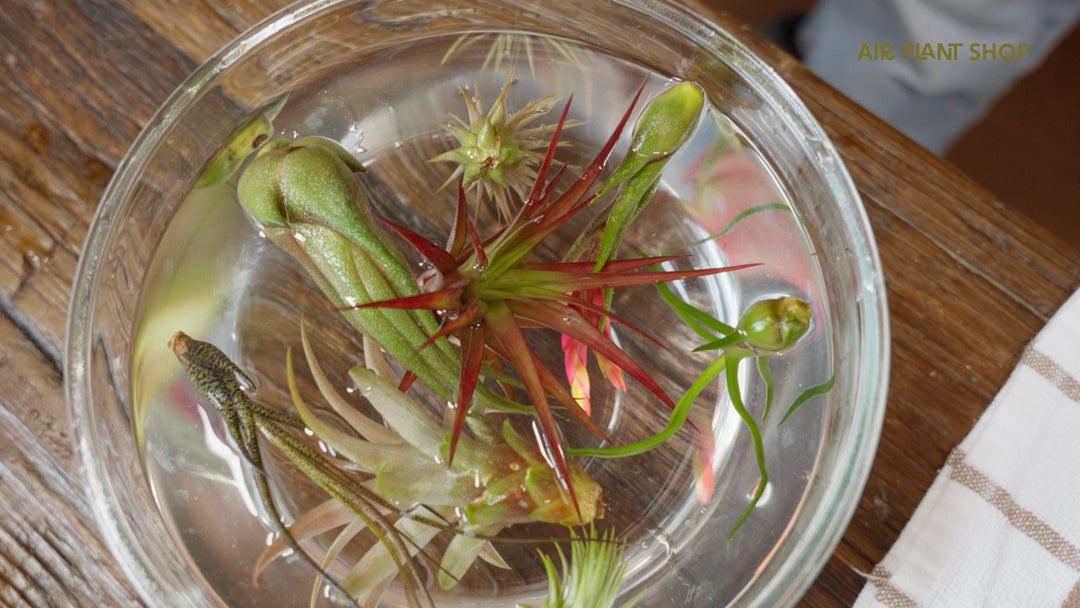
Mesic species usually have smoother, greener, or glossier leaves with fewer visible trichomes (the tiny silvery scales that help air plants absorb water). Compared to xeric species, they tend to look less fuzzy and more vibrant green.
Popular mesic species include Tillandsia brachycaulos abdita, Tillandsia bulbosa (Belize and Guatemala forms), and Tillandsia butzii. 
These plants naturally grow beneath tree canopies, so they prefer bright, indirect light rather than prolonged, intense sun. They also enjoy higher humidity, making occasional misting between regular waterings especially beneficial.
Xeric Air Plants
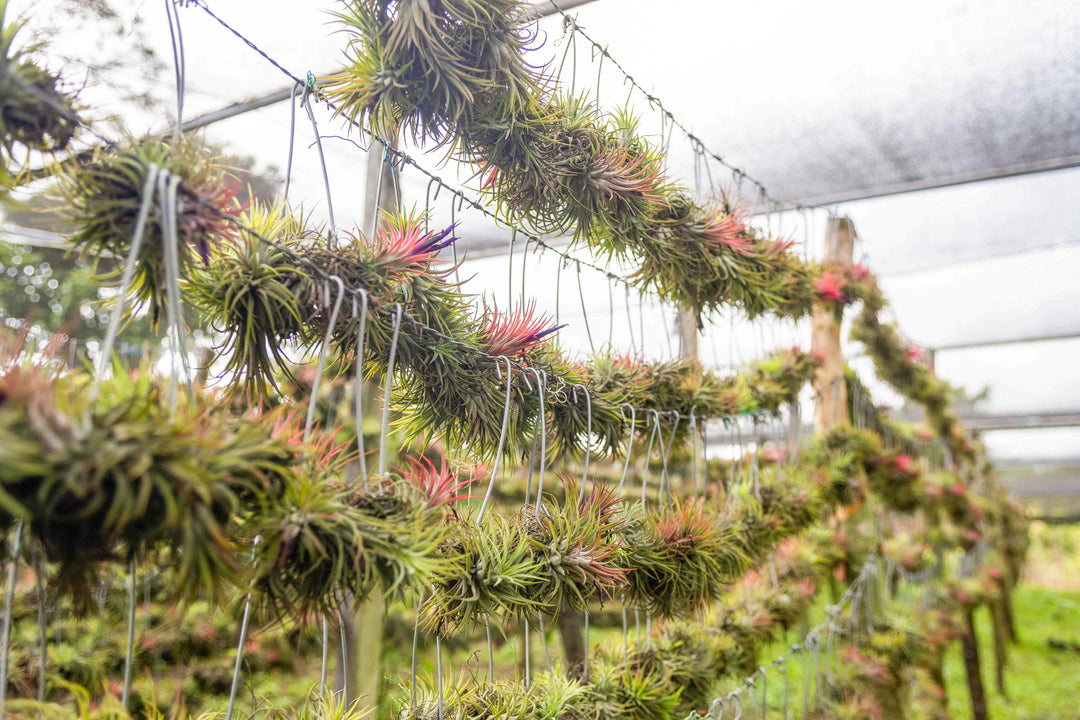
Xeric climates are much drier and receive significantly less rainfall than mesic environments. These habitats include deserts, rocky hillsides, high elevations, and exposed forests where plants experience intense sunlight, steady breezes, and long periods between rains.
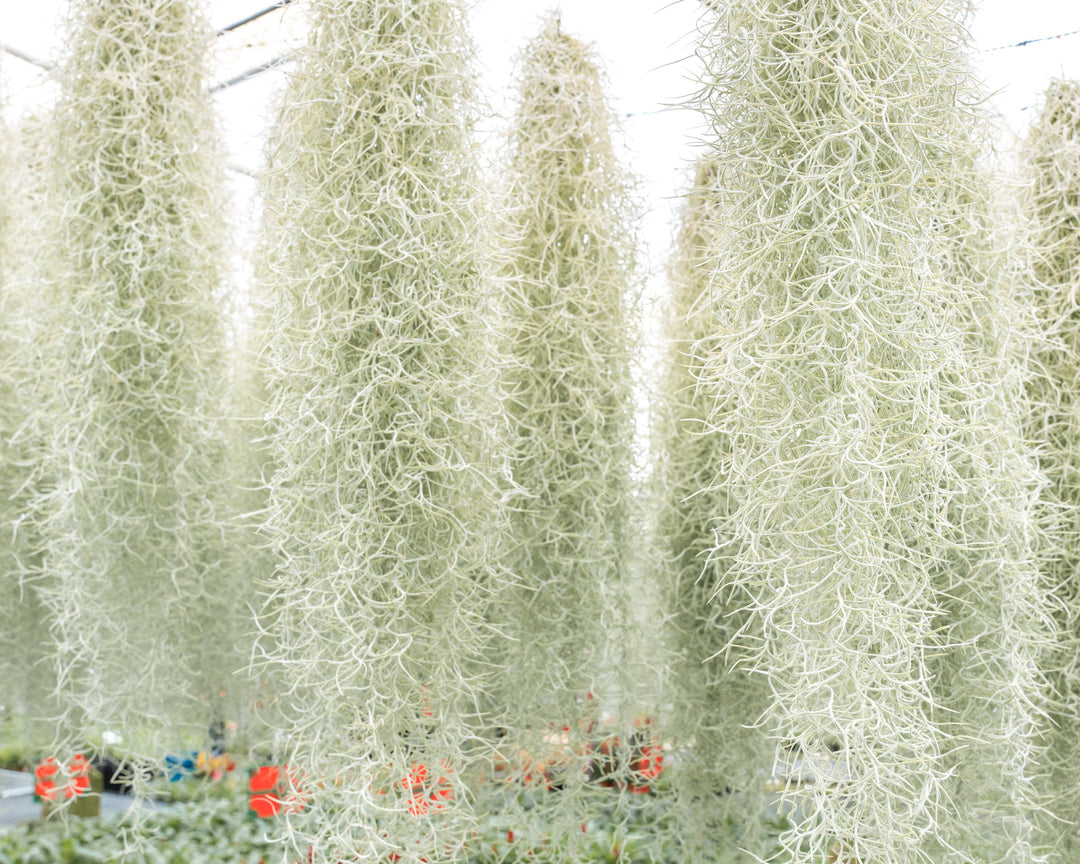
To survive these conditions, xeric air plants have evolved remarkable adaptations. Their leaves are covered with dense layers of trichomes, giving them a soft, silvery appearance. These specialized structures quickly capture moisture from rain, fog, and dew while also reflecting sunlight to help prevent overheating and water loss.
Although xeric species tolerate drought better than mesic plants, they still need regular watering. The difference is that they typically prefer to dry thoroughly between waterings and generally tolerate brighter light and lower humidity.
Is My Air Plant Xeric?
Some of the best-known xeric species include Tillandsia xerographica, with its large, curling silver leaves, as well as Tillandsia tectorum and Tillandsia harrisii. Their lighter coloration comes from the abundance of trichomes, an adaptation that reflects sunlight and helps conserve moisture.
Another favorite is Tillandsia ionantha Guatemala. Although it's a xeric species, its compact size means it can dry out more quickly than larger plants, so it may need slightly more frequent watering despite its drought-tolerant nature.
Matching Care to Your Air Plant
Most air plants are forgiving and easy to care for, and many mesic and xeric species can thrive with similar care routines when grown indoors. However, understanding your plant's native habitat can help explain why one species benefits from extra humidity while another prefers brighter light and longer drying periods.

Learning about the natural environment of each Tillandsia species allows you to make small adjustments that support healthier growth and reduce the risk of overwatering or dehydration. The better you understand your air plant's native climate, the easier it becomes to provide the conditions it needs to thrive.
 Back to Air Plant Care





Thank you for the clear explanation with examples! I’ve often wondered if I should be watering my plants differently.
Leave a comment