


Cork Bark Care Guide: General Maintenance, Preparing Pet Habitats, and Watering Mounted Tillandsia
Cork bark is one of the most versatile natural materials available for terrariums, vivariums, reptile habitats, and air plant displays. Its unique texture, natural appearance, and resistance to decay make it a favorite among hobbyists, pet owners, and plant enthusiasts. Whether you're using cork bark as a decorative habitat feature or as a mounting surface for air plants, such as our Virgin Cork Bark Slabs, a little preparation and routine maintenance will help keep it looking its best for years to come.
In this guide, we'll cover how to clean and prepare cork bark for reptile habitats, water air plants mounted to cork bark, and maintain cork bark displays for long-term use.

Preparing Cork Bark for Live Animal Habitats
Cork bark is naturally resistant to rot, making it an excellent choice for reptile enclosures, amphibian habitats, and bioactive terrariums. Its lightweight structure, durability, and natural appearance make it a popular material for creating climbing surfaces, hides, and other habitat features. Cork bark also holds up well in humid environments, making it a long-lasting addition to many types of enclosures.
For inspiration on incorporating cork bark and air plants into a live animal enclosure, check out Kevin's story and see how he created a naturalistic habitat using Tillandsia and cork bark!
Watering Air Plants Mounted to Cork Bark
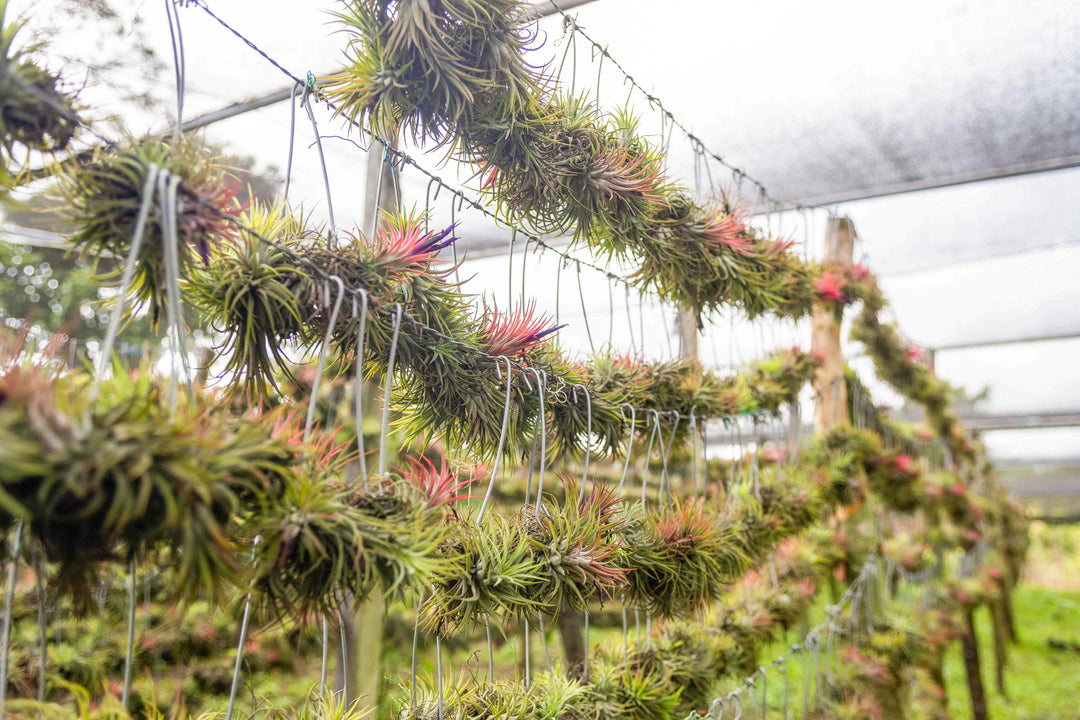
Cork bark is one of the best mounting surfaces for air plants. Its natural texture provides excellent grip for roots while creating a beautiful, natural display, whether you're creating your own design or enjoying one of our fully assembled cork bark displays. Whether naturally adhered to the cork bark or attached with wire or glue, watering mounted air plants is slightly different from watering loose plants.
Misting mounted air plants up to 3 times a week is the easiest watering method. Be sure to fully saturate the leaves while spraying, but try to avoid water from puddling in the center of the plant. Shake excess water and let the plant dry completely at an angle or upside down before returning it to its display position.
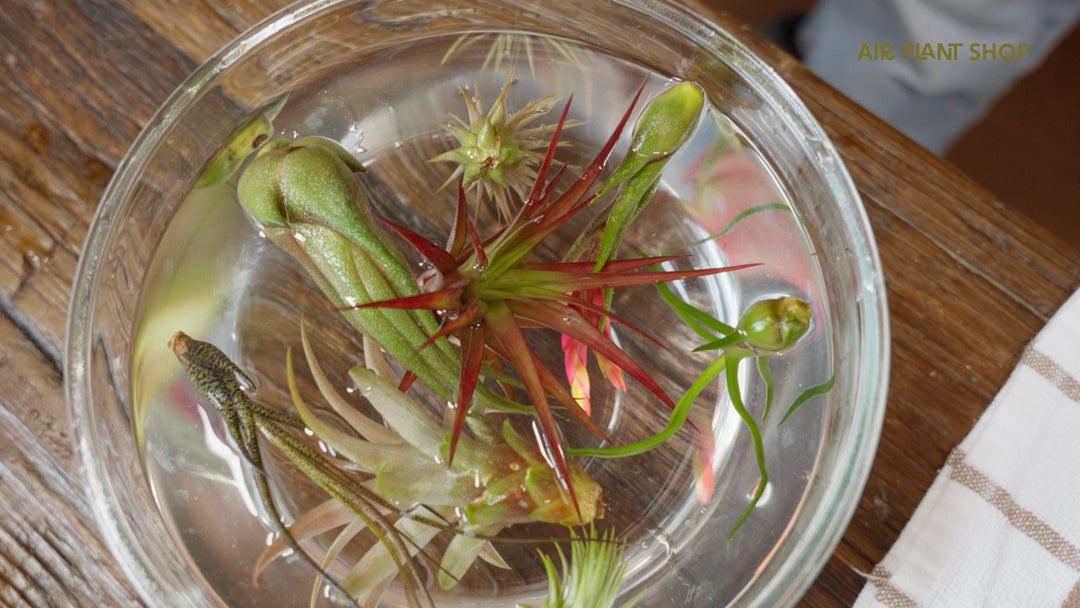
Some air plants will require deeper hydration than misting alone can provide. In this case, the entire cork bark mount can be floated in water for 15–30 minutes with the air plants facing downward. Because cork bark is naturally buoyant, it will float during soaking, helping ensure the air plants are not damaged while hydrating. The cork bark is also highly durable and naturally tolerant of water, so soaking it will not harm the bark. As always, shake off any excess water and allow the air plants to dry completely. The goal is to avoid water from being trapped in the base of the plant, which can lead to rot.
We love mounting Tillandsia to cork bark slabs to create natural vertical gardens that showcase the plants' unique forms and growth habits. If you're looking for a ready-made option, our Small, Medium, and Large Cork Bark Air Plant Displays make it easy to bring this natural look into your home. To learn more about how to mount air plants, read our Vertical Garden Assembly Guide.

Ongoing Cork Bark Maintenance
One of the reasons cork bark is so popular is that it requires very little maintenance. However, over time, cork bark may collect substrate, mineral deposits, or a buildup of organic debris such as plant or pet waste. To spot clean, remove loose debris with a soft brush and rinse with water as needed. Cork bark exposed to high humidity and fresh organic materials can be prone to mold or fungal growth, so it is important to provide adequate ventilation in your enclosure or display. If mold does appear on the cork bark surface, use a brush to remove visible growth and spot-clean with a solution of half water and half distilled white vinegar. Avoid using harsh chemical cleaners, soaps, or disinfectants that could leave residues or be harmful to pets or plants. After cleaning, allow the surface of the cork bark to dry completely if placing it into an enclosed area.
With minimal maintenance, cork bark can remain a beautiful and functional part of your terrarium, vivarium, or air plant display for many years. Proper cleaning, occasional inspections, and thoughtful watering practices will help keep both the cork bark and any plants or animals it supports healthy and thriving while preserving its natural beauty over time.
Whether you're creating your own custom display or looking for a ready-to-enjoy arrangement, explore our selection of Virgin Cork Bark Slabs for DIY projects or browse our Fully Assembled Air Plant Cork Bark Displays to bring the natural beauty of cork bark and Tillandsia into your space.
 Back to Designing with Air Plants