






What Are Tillandsias?
 An Introduction to Air Plants
While ‘Tillandsia’ may not be a common household term, many people are familiar with air plants, the coined nickname for this genus belonging to the Bromeliad family (Bromeliaceae). Named in the 1700’s after a Swedish botanist and physician, Dr. Elias Tillandz, the Tillandsia genus consists of nearly 600 natural species throughout the Americas. As air plants have grown increasingly popular, hobbyists around the world have also created and bred around 200 hybrid species, including one of our favorites, the ‘Curly Slim’.
Although not a Tillandsia, the pineapple also heirs from the Bromeliad family. Some Tillandsia lovers say they can see the resemblance in many of the air plant species.
New to Tillandsia terminology? Explore our Air Plant Dictionary to learn more about the unique characteristics of these plants.
Tillandsia In The Wild
Tillandsia grow across the southern United States, Mexico, Central America, and South America. Over time, they have adapted to a wide range of habitats, including jungles, cloud forests, deserts, and mountain highlands. This diversity is a big part of why collectors and hobbyists around the world are drawn to them.
How Climate Shapes Each Plant
A Tillandsia's size and shape reflect the climate it evolved in. Plants from wet regions with steady rainfall tend to have thinner leaves. Plants from dry, drought-prone regions have thicker leaves that store water, and many have curled leaves that reduce moisture loss.
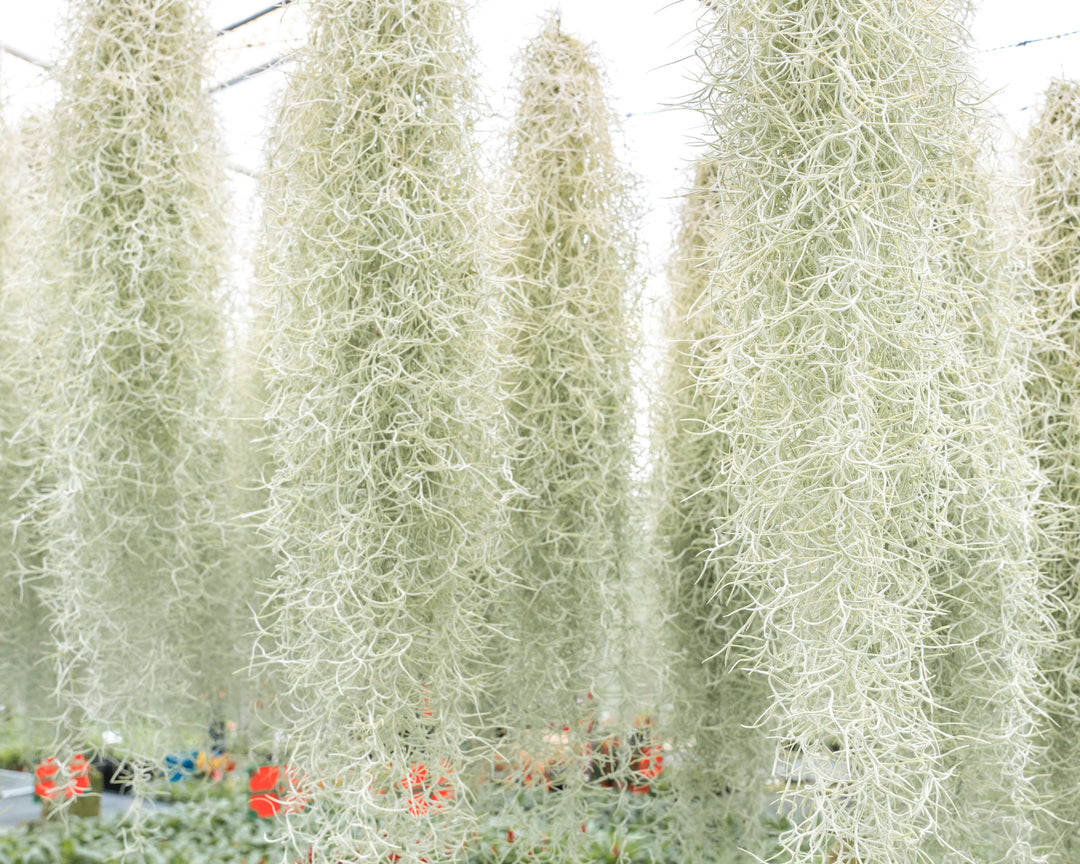
Many desert species have an abundance of trichomes, tiny white hairs that collect water and reflect sunlight. Cloud forest species also have trichomes, which help them capture moisture from passing clouds. To see how your air plant's native climate affects its care, read our guide to Mesic, Xeric & Hydric Air Plants.
 Why Air Plants Don't Need Soil
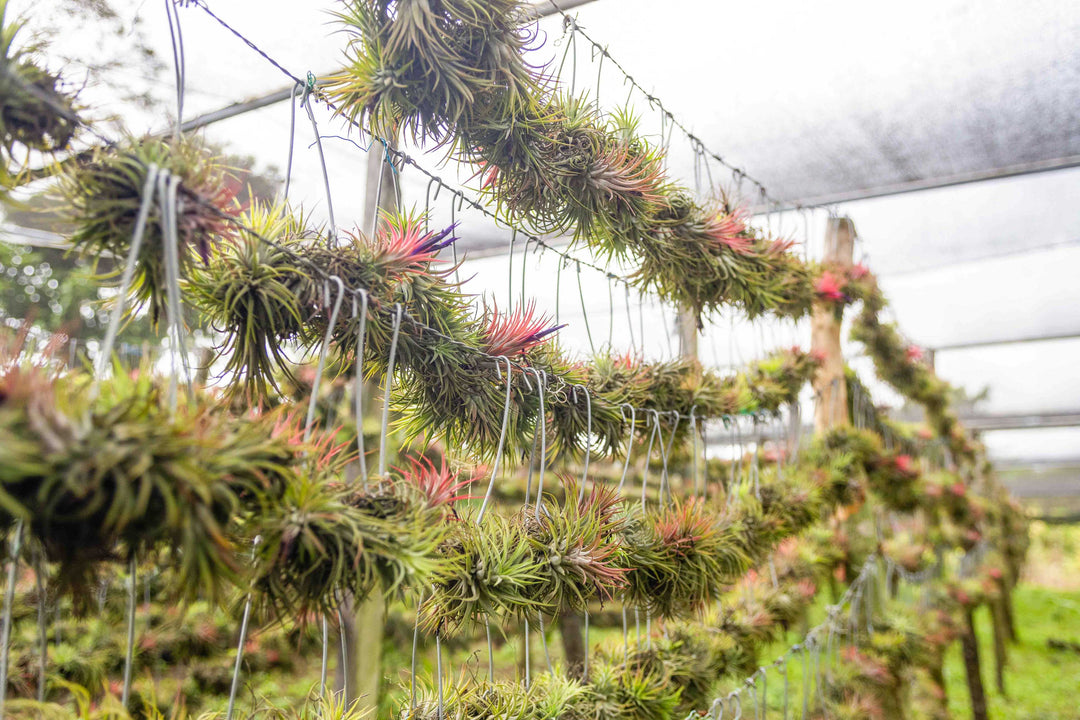
Air plants absorb moisture and nutrients through their leaves rather than their roots. They are epiphytes, plants that grow on other plants or surfaces for support without taking nutrients from them. Unlike parasites, epiphytes do not harm or feed on their host. In the wild, air plants can be found growing on trees, rocks, and other structures instead of in soil.
Growing in trees and on cliffs also keeps them clear of flooding, erosion, and many ground-dwelling animals. Although they don't need soil, air plants still need regular water, light, and airflow to thrive. Learn the basics in our Air Plant Care Guide.
A Plant Family for Every Enthusiast
Whether you like to research and collect each species, or you love having the natural simplicity of air plants around the house, Tillandsia are a family of plants that bring joy and wonder to any greenhouse or home. Many species also produce surprisingly colorful blooms during their life cycle.
To learn more about specific species, read our Tillandsia Spotlights on Tillandsia Xerographica and Tillandsia Tectorum, or watch our YouTube videos.
Follow us on Instagram, Facebook, and TikTok to see our favorite featured Tillandsia!
 Back to Air Plant Care






Leave a comment